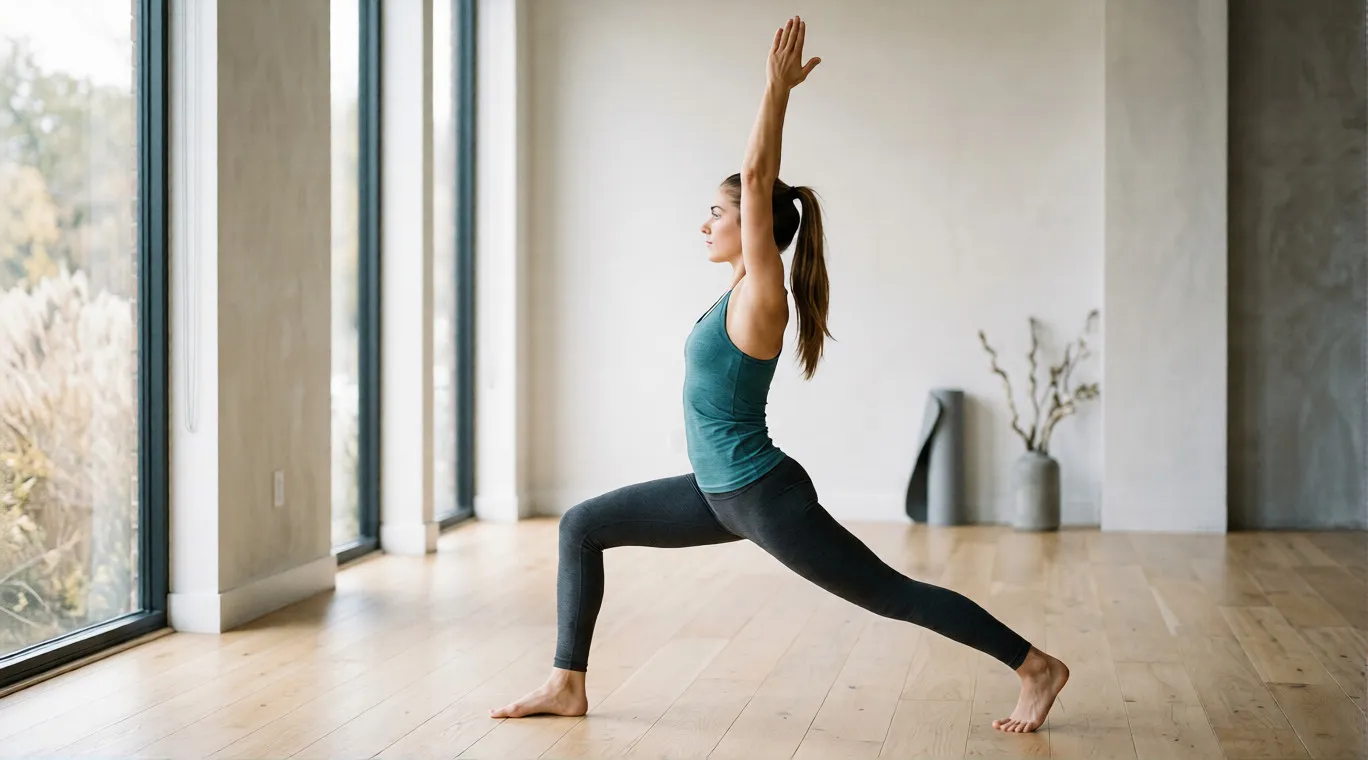
Ryan Giggs played professional soccer until he was 40 years old. When asked how he managed it, he pointed to one thing: yoga. LeBron James practices it daily. Kelly Slater has woven it in and out of his surf career for decades, crediting it for maintaining his range of motion and mental focus well into his forties. Tom Brady once called it "great for flexibility, therapeutic, and great for your attitude."
These are not fringe athletes chasing wellness trends. They are competitors at the highest level, and they all reached the same conclusion: yoga makes them better at their sport.
Research is starting to back them up. A systematic review found that athletes who incorporated yoga experienced a 65% reduction in performance anxiety and roughly 8% improvement in overall performance [1]. A 10-week study published in the International Journal of Yoga showed measurable gains in flexibility, balance, and whole-body function among college athletes [2].
So why do most athletes still skip it?
Why Athletes Get Injured (And How Yoga Helps)
Most athletic injuries outside of acute trauma come from the same source: restricted range of motion forcing compensation. A surfer with tight hip flexors compensates with their lower back during pop-ups. A runner with limited ankle mobility overloads their knees. A climber with tight shoulders strains their rotator cuff reaching overhead.
The body is remarkably good at finding workarounds. The problem is that workarounds transfer load to structures that were not designed to handle it. Do that enough times, and something breaks down.
A study on yoga and sports injury prevention found that yoga directly mitigates two major precursors to injury: perceived propensity to get hurt and generalized fatigue [3]. It works not by making you hypermobile, but by restoring functional range of motion to the joints that your sport restricts.
Sport-Specific Flexibility: The Right Poses for Your Sport
This is where many athletes go wrong with yoga. They drop into a hot vinyasa class, get pushed into deep stretches they are not ready for, and walk out feeling wrecked. That is not useful cross-training. That is an injury risk.
Athletes need targeted flexibility, meaning specific poses matched to the movement patterns of their sport:
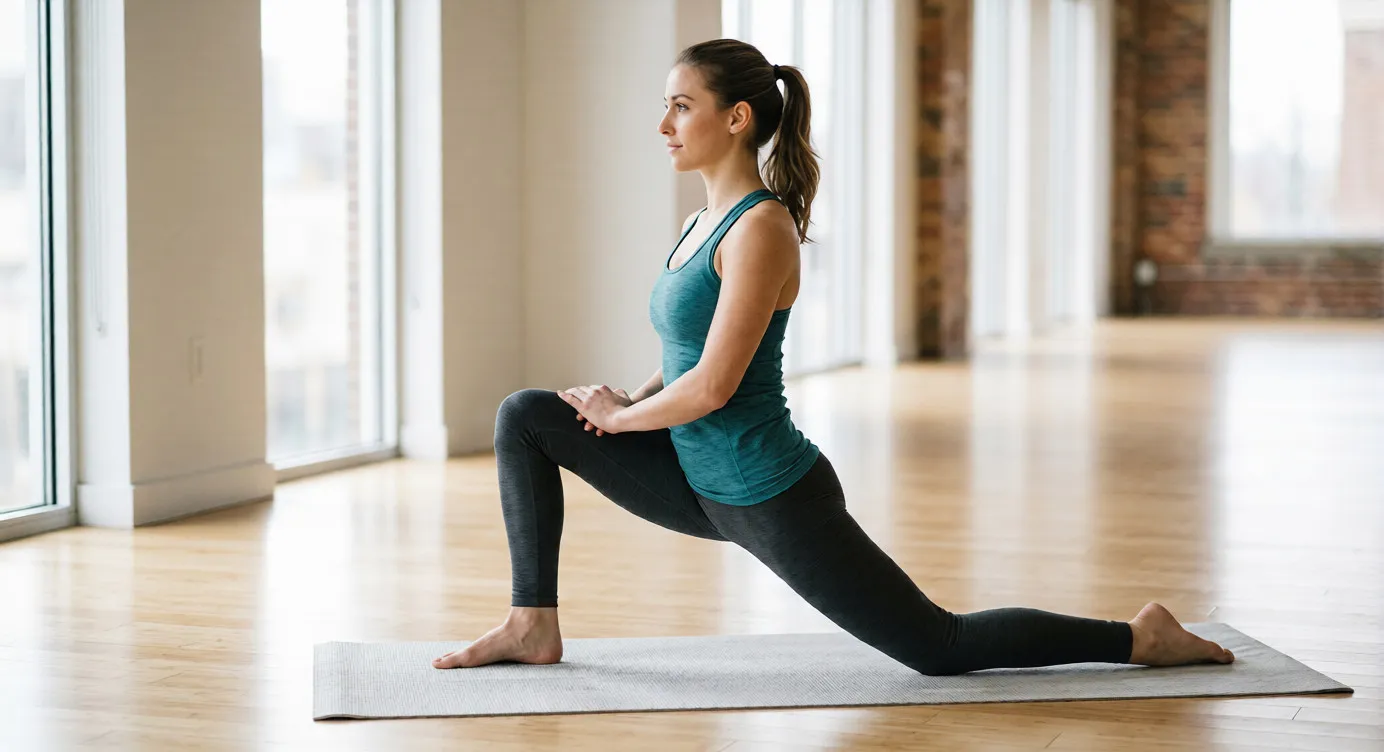
- Surfers: Pigeon Pose and Lizard Pose for hip openers, Thread the Needle for thoracic spine rotation, Low Lunge for hip flexor length
- Runners: Low Lunge and Crescent Pose for hip flexors, Standing Forward Fold for hamstrings, Downward Dog for calves and ankles
- Cyclists: Reclined Hand-to-Big-Toe Pose for hamstrings, Supine Twist for lower back, Pigeon Pose for hip mobility
- Climbers: Eagle Arms and Cow Face Pose for shoulders, Wrist stretches in tabletop, Wide-Legged Forward Fold for hips
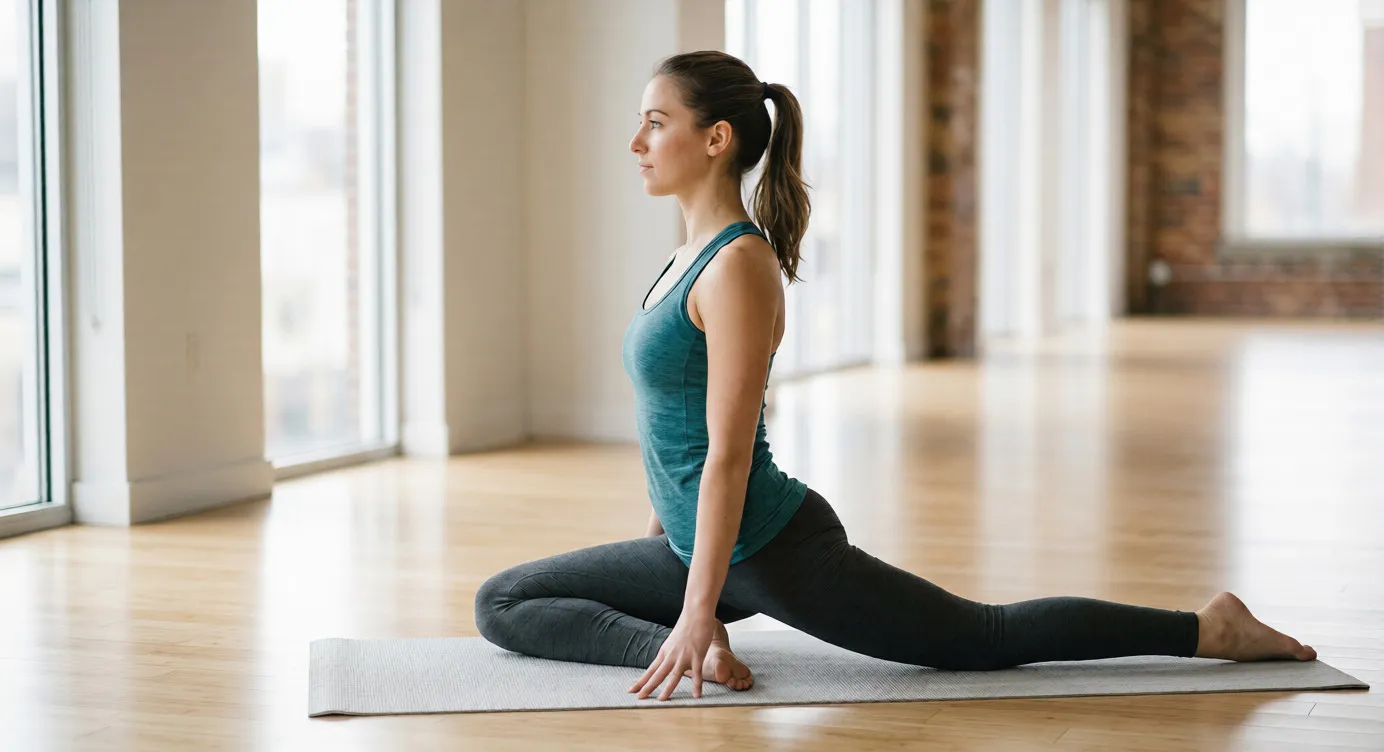
The best approach is selecting poses that address your sport's specific demands rather than following a generic sequence. Tools like Glydeo Yoga can help here. The AI tracks your alignment in real time so you know you are actually stretching what needs stretching, not just muscling through poses the way you muscle through training.
Yoga Builds Strength Too (Not Just Flexibility)
One of the biggest misconceptions is that yoga is only about stretching. In reality, poses like Plank, Chaturanga Dandasana, Warrior III, Chair Pose, and Boat Pose build serious core stability and muscular endurance. Research has shown significant improvement in muscular strength through Hatha yoga training [4].
Yoga also corrects muscular imbalances by moving muscles through their full range of motion and ensuring that all muscle groups are engaged appropriately. For athletes who rely heavily on dominant movement patterns like a surfer's paddle stroke, a runner's gait, or a tennis player's serve, this rebalancing effect is critical for long-term durability.
Active Recovery: Why Rest Days Need Yoga
Beyond flexibility and strength, yoga serves as an active recovery tool that most athletes underutilize.
Hard training creates tension patterns. Your muscles shorten, fascia tightens, and your nervous system stays in a heightened state. Traditional rest days help, but they do not actively unwind these patterns.
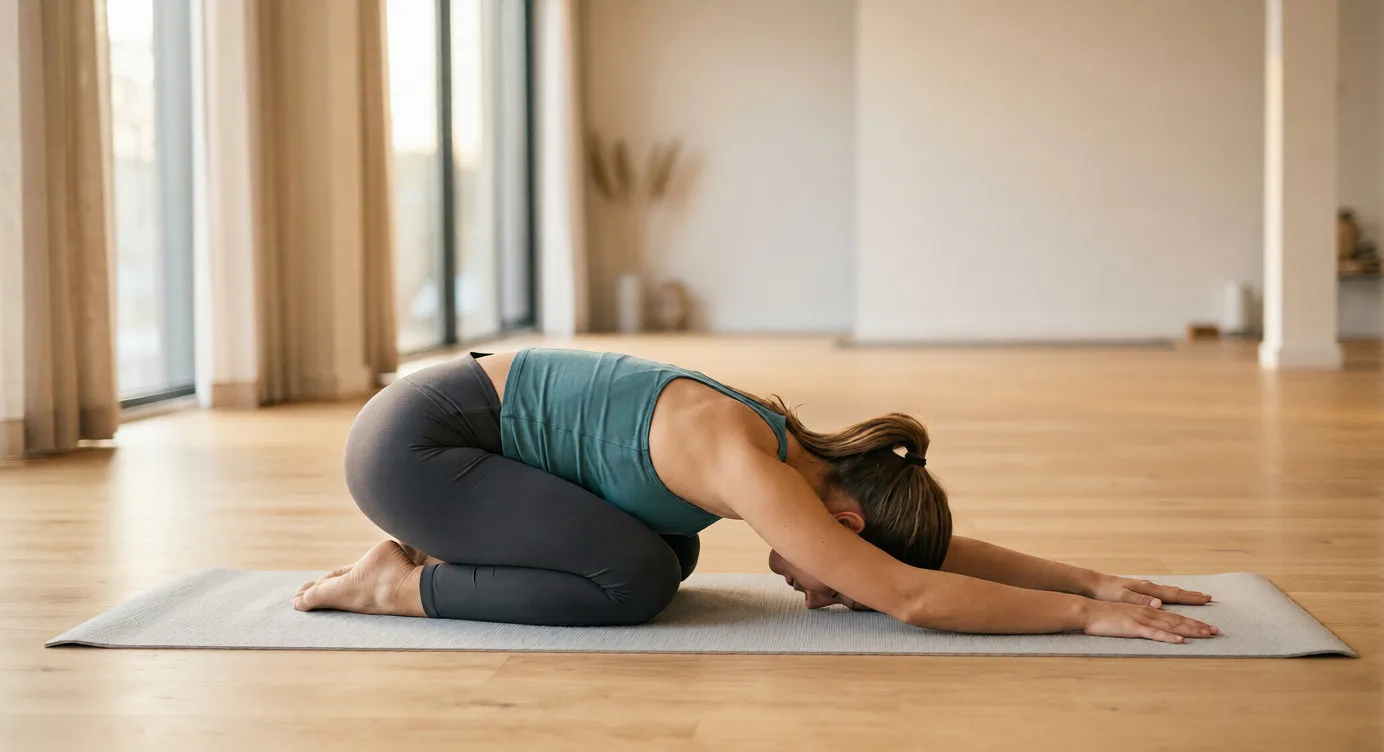
A 20-minute yoga session on a recovery day does something different. It moves your joints through their full range, promotes blood flow without adding training stress, and downregulates your nervous system through controlled breathing. You finish feeling restored rather than just rested.
Surf legend Gerry Lopez practices yoga daily before and after every session. Many professional surf and snow teams now include yoga as a mandatory part of their recovery protocols, not because it is trendy, but because athletes who practice yoga regularly experience fewer injuries and recover faster from intense training sessions [5].
Pranayama: The Breathing Advantage Most Athletes Miss
One of yoga's most underappreciated benefits for athletes is pranayama, or yogic breath control. In yoga, you learn to maintain slow, controlled breathing while holding physically challenging positions. That skill transfers directly to high-pressure athletic situations.
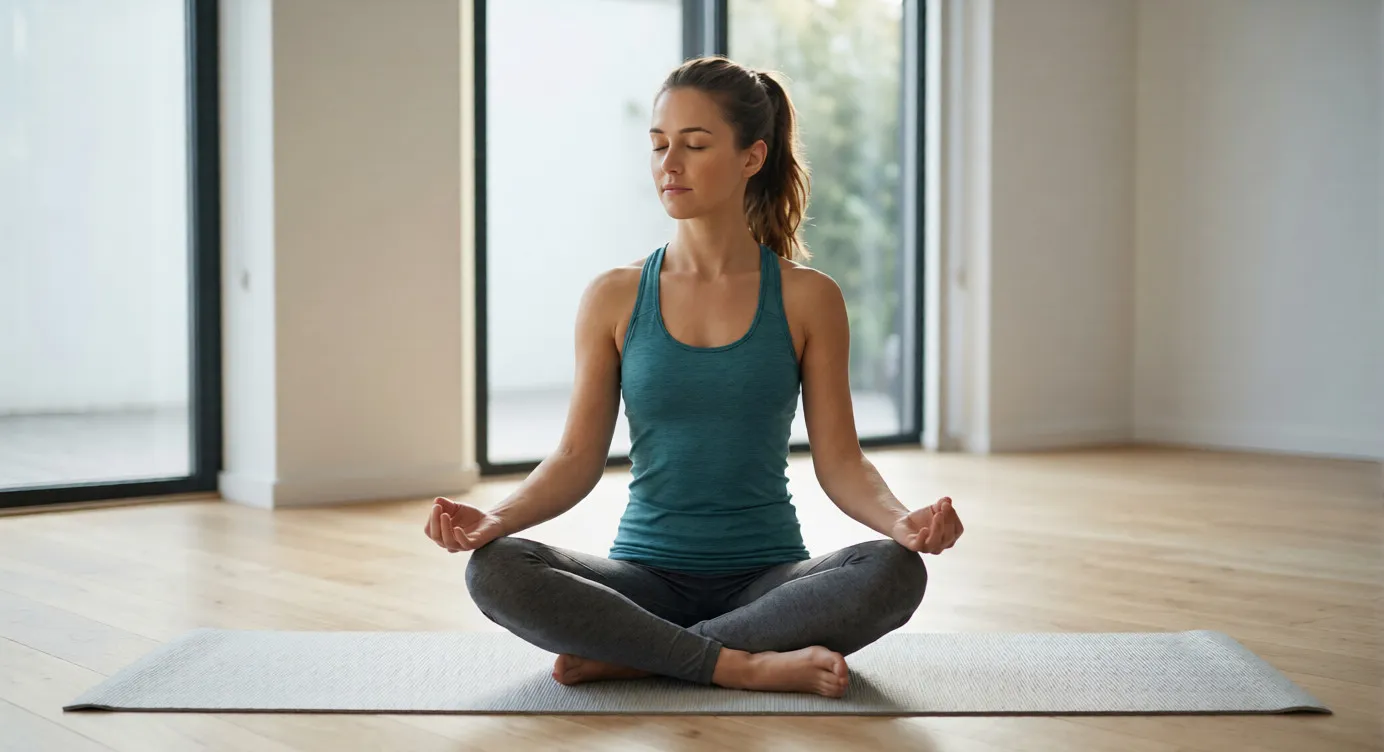
A surfer caught in a hold-down who can control their breathing stays calmer and uses less oxygen. A runner who can regulate their breathing at race pace maintains efficiency longer. A climber who breathes steadily through a crux sequence keeps their forearms from pumping out.
The science is compelling. Research showed that just three weeks of yogic breathing practice improved ventilation and running economy [6]. Pranayama increases forced vital capacity and tidal volume while lowering resting respiratory rate. A 2020 randomized controlled trial found that pranayama measurably reduces anxiety, with brain imaging showing changes in areas involved in processing emotions [7]. And consistently, research shows that yogic breathing suppresses stress hormones, which is a direct competitive advantage in any sport.
How to Start: A Simple Weekly Plan
If you are an athlete considering yoga, here is a practical framework to start without losing your edge:
Two sessions per week. One active session on a moderate training day (30 to 45 minutes of movement-focused yoga) and one restorative session on a rest day (20 minutes of gentle holds and breathing).
A sample week might look like this:
- Monday: Strength training
- Tuesday: Sport-specific training
- Wednesday: 30-minute active yoga flow (focus on sport-specific poses from the list above)
- Thursday: Sport-specific training
- Friday: Strength training
- Saturday: Competition or long session
- Sunday: 20-minute restorative yoga + pranayama
Focus on your three tightest areas. For most surfers, that is hips, thoracic spine, and shoulders. For runners, it is hip flexors, hamstrings, and ankles. Build your practice around those.
Keep holds moderate. You are not trying to set flexibility records. Hold poses for 30 to 60 seconds and focus on breathing into the stretch rather than forcing depth. The goal is usable range of motion, not maximum range of motion.
Track your form. Athletes tend to compensate with strength where they lack mobility, which defeats the purpose. Use a mirror, a training partner, or Glydeo Yoga's AI pose tracking to make sure you are getting the benefit from each pose.
The Long Game
Blake Griffin once said, "When you take care of your body through yoga, it extends years on your career." The athletes who age best and perform most consistently are rarely the most talented. They are the ones who invest in the invisible work: mobility, recovery, and body awareness.
You will not lose your power. Research confirms that yoga builds strength alongside flexibility. What you will gain is a body that moves more freely, recovers more quickly, and breaks down less often. In any sport, that is a significant competitive advantage. The earlier you start, the longer you will play.
References
- Impact of Yoga on Athletic Performance: A Systematic Review
- Effects of Yoga on Flexibility, Balance, and Whole-Body Function - Int. Journal of Yoga
- Yoga and Sports Injury Prevention - PMC
- Muscular Strength Improvement Through Hatha Yoga - PMC
- Yoga, Recovery, and Injury Reduction in Athletes - PMC
- Yogic Breathing and Running Economy - Int. Journal of Sports Physiology and Performance
- Breathing Techniques and Benefits for Athletes